The rapid global increase in urbanization is leading to novel microenvironments and wildlife assemblages. When combined with human activity, these assemblages contribute to unique socio-ecological interactions that do not occur uniformly across the urban landscape due to variation in neighborhood socioeconomic status (e.g., wealth, race, education). For example, wealthier areas have more accessibility to green spaces with higher biodiversity of plants and animals. These differences in green space accessibility can lead to a lack of knowledge about wildlife and their habitat that can contribute to human-wildlife conflicts due to issues such as improper food disposal, inadequate pet protection, or general fear.
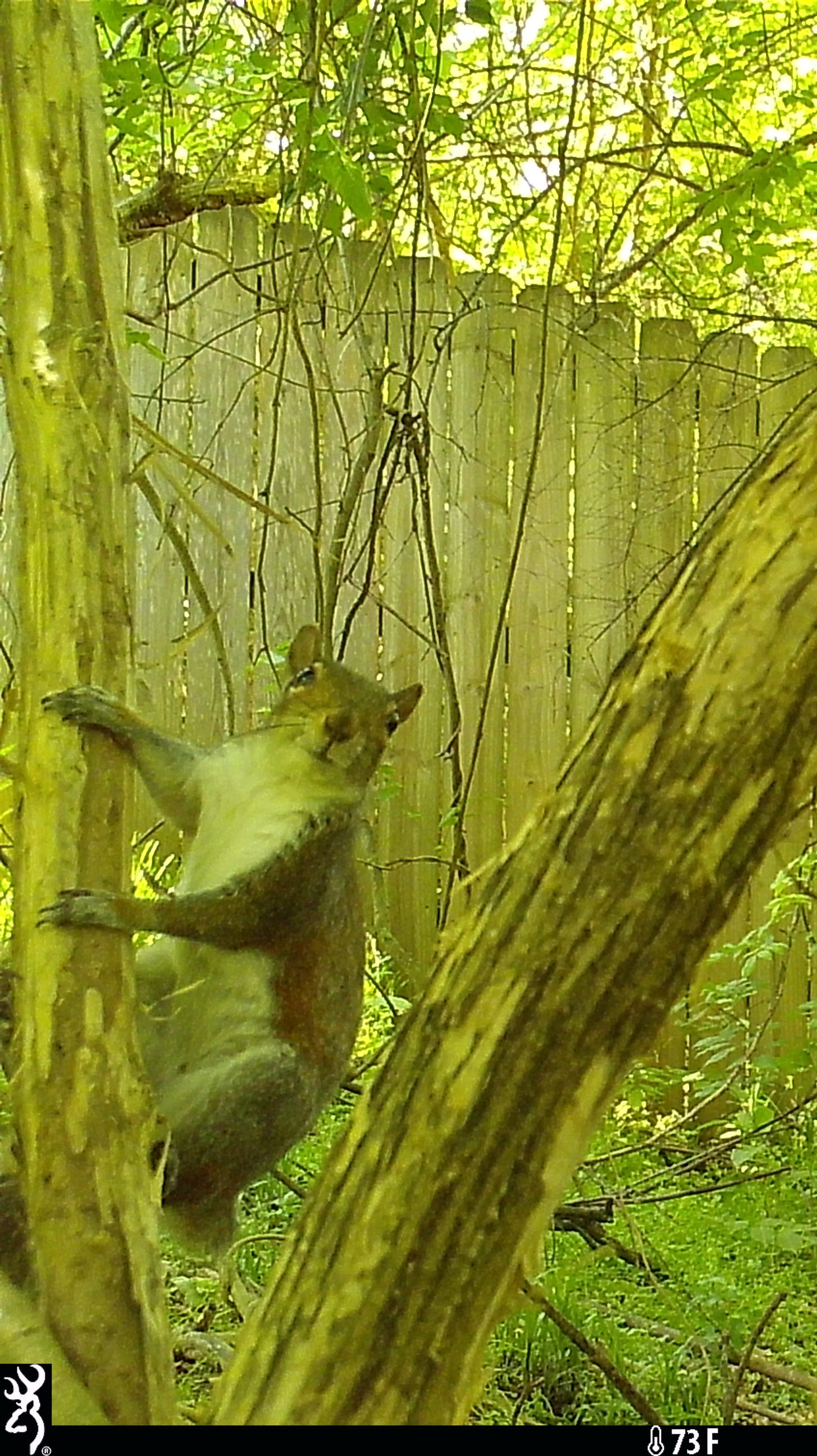
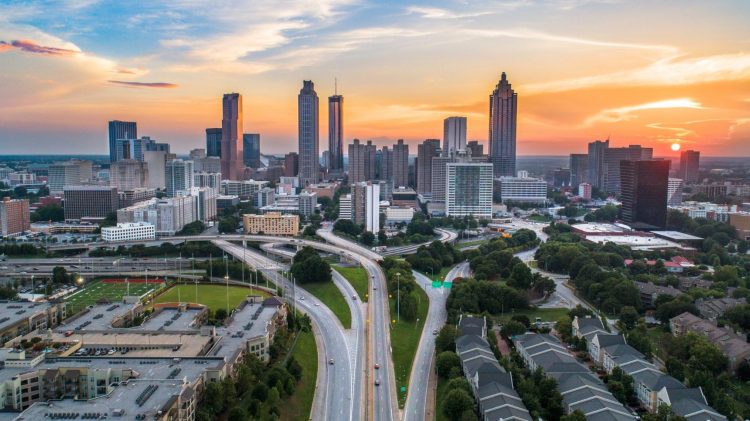
To address these challenges, our group has been working with the Georgia DNR Urban Wildlife Program and global partners to better understand and minimize human-wildlife conflicts. To achieve this, we have ongoing research in both Athens and Atlanta, Georgia, as well as global partnerships as part of the Urban Wildlife Information Network (UWIN). See urbanwildlifeinfo.org for more details. Read more about our Athens and Atlanta projects below:
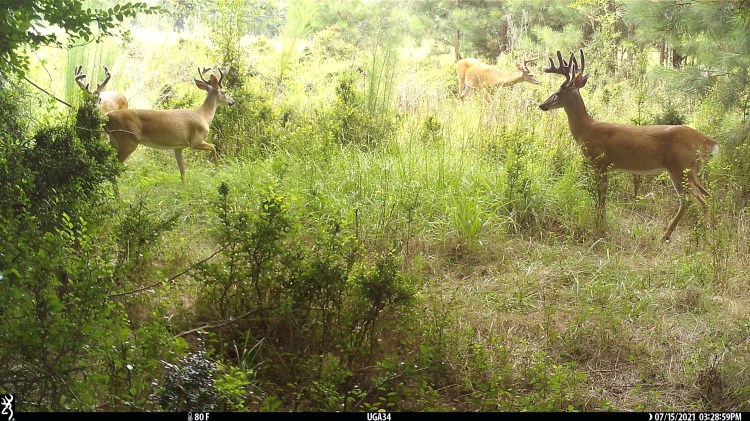
Research from our urban wildlife studies have been included in numerous publications including:
Mammal responses to global changes in human activity vary by trophic group and landscape
Gentrification drives patterns of alpha and beta diversity in cities
 Kohl Wildlife Lab